In the Beginning… Was Software*
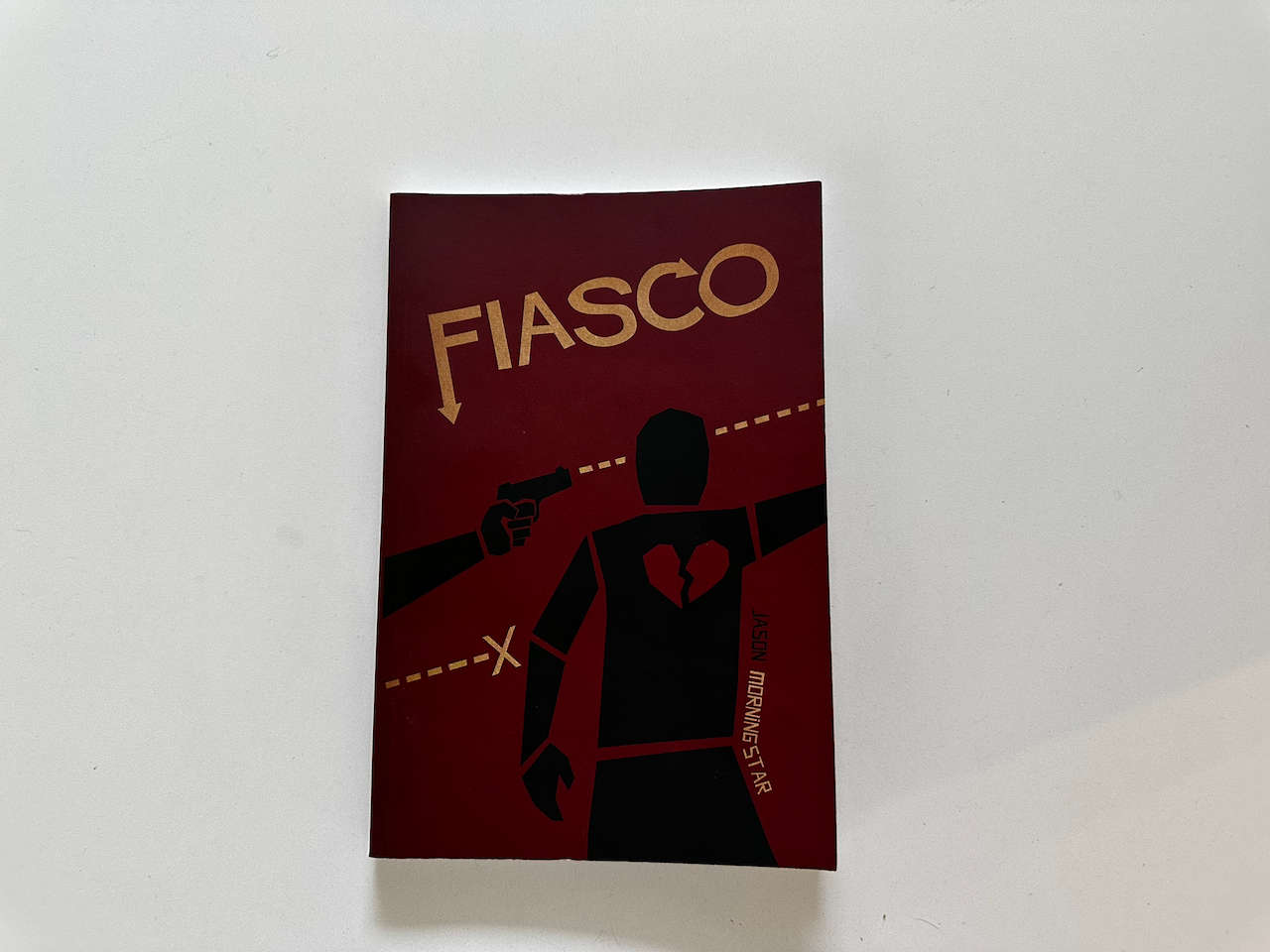
*Yes, I’m aware of the book “In the Beginning… Was the Command Line” by Neal Stephenson. Yes, I own and have read it. No, I couldn’t find it in my bookshelf in the time it took me to vibe code this WordPress alternative… So instead, you get a pic of Fiasco… let that say what it may.
In the beginning, there was software. You bought it, you installed it, it came on floppy disks… big ones. I had an Atari with a dual floppy drive: one for running the software, one for saving data. Good times. And later as applications grew and internal computer storage became more of a thing, you waited while you sequentially fed it 52 or more slightly smaller floppy disks. I'm not kidding. You honestly couldn’t make this up.
Fast forward about twenty years and the internet is a thing. Software, especially business and productivity software, largely moves to the cloud. Yeah, the “cloud” is just a fancy word for running somewhere else on the internet. No more installing, no more disk juggling — just a browser and a subscription fee. This is essentially Software as a Service: SaaS. It sounds like magic. So why does everyone seem to hate it?
Why SaaS Gets a Bad Rap
The complaints are legit, let’s name a few:
Subscription fatigue. Remember when an automaker tried charging a monthly fee to use the heated seats you already paid for? That vibe has been in corporate for years. Every tool, every platform, every add-on wants a slice of your budget - forever.
Vendor lock-in. Switching SaaS providers (or really any technology) is painful. Data migrations, retraining staff, rebuilding integrations — it's not impossible, but it's expensive enough that most organizations just... don't. You're living with your choices long term.
Vendor longevity and market dynamics. What happens if your SaaS provider goes out of business? Or stays in business but stops innovating while competitors race ahead?
Data sovereignty and privacy. Your data lives on someone else's infrastructure, subject to their security practices, their jurisdiction, and their terms of service. For some organizations, that's a dealbreaker.
These are legitimate concerns. However, in my experience, the loudest complaints about SaaS aren't about any of these - they're about price. And that's where things get interesting.
The Sticker Shock Problem
SaaS pricing is transparent, sometimes brutally so. Cost per user per month. Cost per transaction. It's right there on the pricing page (if you’re lucky). Unfortunately this makes it easy to screenshot and drop into a budget meeting as evidence that software is "too expensive."
Too expensive as compared to what… exactly?
The cost of running traditional software isn't cheaper - it's just hidden across a bunch of line items that rarely get added up together:
Staff
Training
Hardware (amortized)
Operating system and software licensing
Maintenance and support fees
Cooling, power, and water
Real estate
And so on
You’ve outsourced some of this through an alternative service delivery agreement? That transfers risk, but it doesn't reduce cost - it typically increases it. Got a union workforce with good wages and benefits? Good - they've earned it. It also means your true cost of ownership is likely higher than others’.
Open source? You still pay for most of that list. Building with GenAI? Same deal.
Unless you're already a software company, you're not doing your own software (open source or AI slop) because it's cheaper. And, be forewarned, the effort required is something people classically underestimate (even prior to the current tsunami of AI hype).
So Where Does That Leave Us?
SaaS isn't perfect. The concerns around lock-in, longevity, and data sovereignty are worth taking seriously. But "it's expensive" is an objection that is frequently misplaced. Expensive as compared to what? If you actually do the math as outlined above, I think you’ll be surprised.
SaaS has earned its place, through simple economics, generally known as economies of scale. And yes, SaaS and technology decisions in general mater and have consequences… so what should you actually be evaluating when you make that call? Hit the subscribe button, we’ll unpack that next week.
In the meantime, if you don't believe my analysis and would prefer to frolic in fields of AI Slop generated software... feel free to join the queue.
You'd be the first (well, I guess technically 2nd as myself and some AI goblins vibed up this blog engine) - but maybe it won't go so badly. 🤷🏻♂️
Got something to say? Drop a comment below — I'd love to hear it.
Comments
Loading comments…